
 Online Contact
 Send Message
Cottonseed Hulls Feed Value And Processing Methods
Cottonseed hulls are a byproduct of cottonseed processing. Due to stable supply and low cost, they are sometimes used in animal feed, though their processing methods and suitable uses remain debated. This section explains key processing options and practical use points.
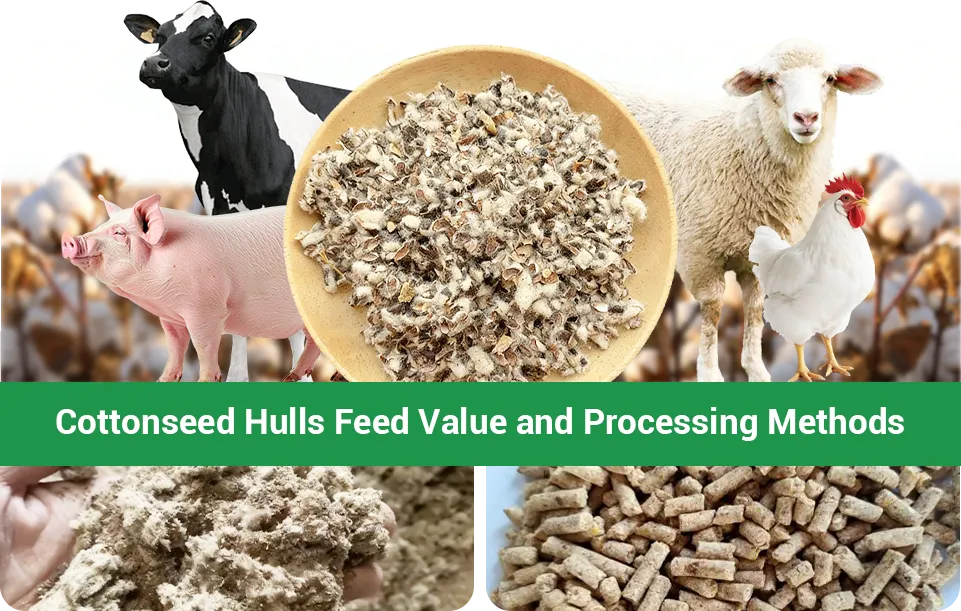
Cottonseed Hull Properties and Feed Use
Cotton is a major global economic crop, with annual production of about 110 million metric tons. Cottonseed and cottonseed hulls are generated during processing and are widely viewed as potential feed resources in the livestock sector.
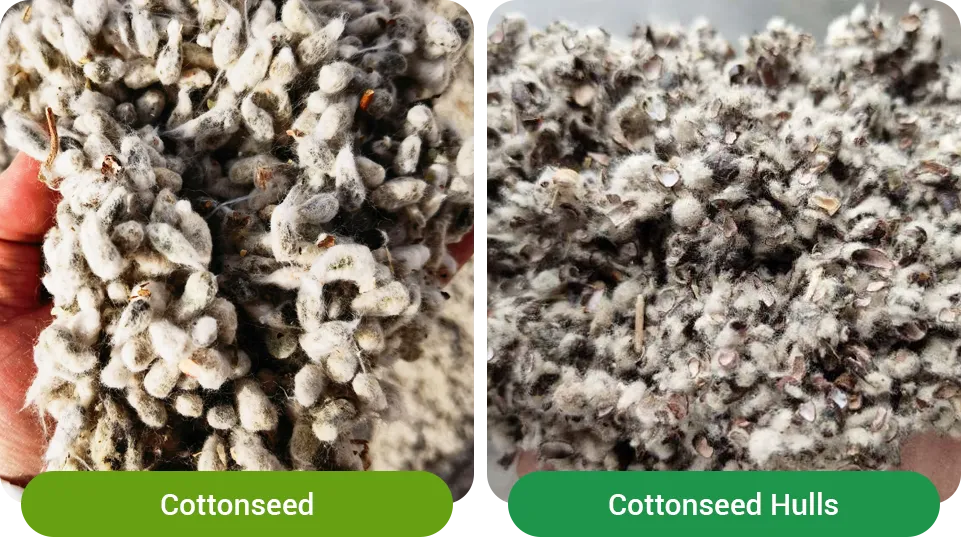
Physical form and fiber structure
Cottonseed hulls are a typical lignocellulosic material with a hard, brown outer shell. They absorb water well but have poor permeability.
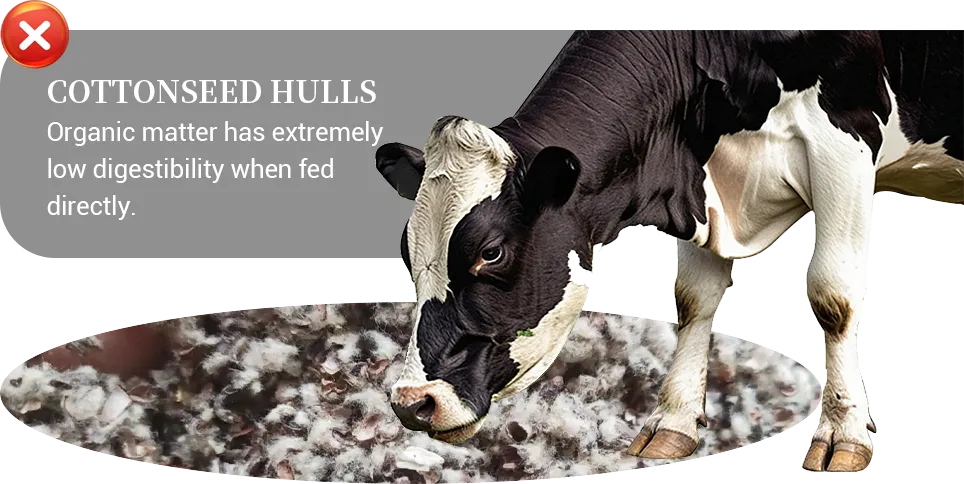
The surface lint is mainly cellulose. When untreated, it tends to accumulate in the rumen, hinder digestion, and limit microbial access to nutrients, resulting in very low organic matter digestibility when fed directly.
Nutrient composition
In terms of nutrient composition, cottonseed hulls are characterized by very high fiber content, typically exceeding 65 percent crude fiber, mainly in the form of neutral detergent fiber and acid detergent fiber. This profile makes cottonseed hulls more suitable for use as a roughage ingredient in feed formulations.
| Nutrient | Typical Range |
| Crude Fiber | 48.0% – 53.0% |
| Neutral Detergent Fiber | 69.0% – 85.0% |
| Acid Detergent Fiber | 60.0% – 70.0% |
| Crude Protein | 2.8% – 3.5% |
| Crude Fat | 0.2% – 1.0% |
| Ash | 2.5% – 6.0% |
| Moisture | 8.0% – 12.0% |
Data based on Feedipedia: Cottonseed hulls
This high fiber, high lignin, low protein profile makes cottonseed hulls of very limited value in diets for monogastric animals such as pigs and poultry.
In ruminants, however, cottonseed hulls can be fermented by rumen microbes and converted into volatile fatty acids, which supply basic maintenance energy.
Cottonseed hulls vs Conventional roughages
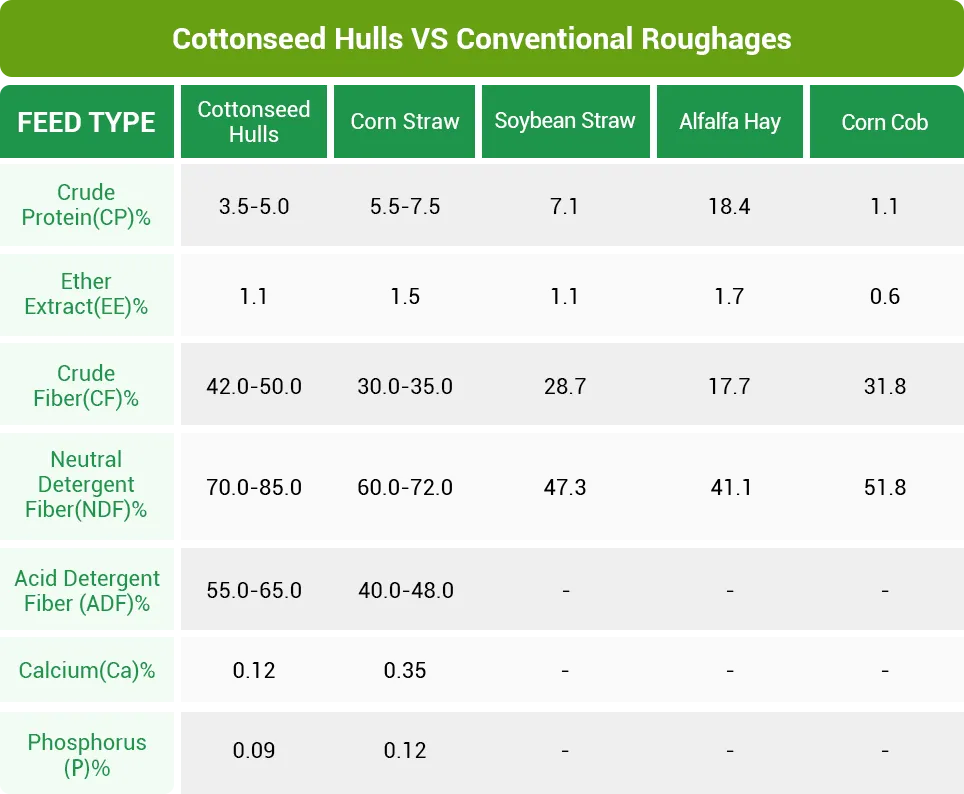
Data compiled from Feedipedia (FAO/INARA) & FeedTables nutritional databases
Values shown represent typical ranges on a dry matter basis. Actual levels may vary with origin, variety, harvest stage, and analytical methods.
Cottonseed hulls contain more crude fiber than corn and soybean straw. High NDF and ADF increase rumen retention time, which may restrict energy intake in high yielding dairy cows but supports rumen structure and stable fermentation.
Gossypol risk and basic limitations
Free gossypol is the main factor limiting large scale use of cottonseed hulls and related byproducts.
In cottonseed products, gossypol exists as bound and free forms. Bound gossypol is poorly absorbed and less toxic, while free gossypol is responsible for toxicity.
Free gossypol sensitivity and dietary limits
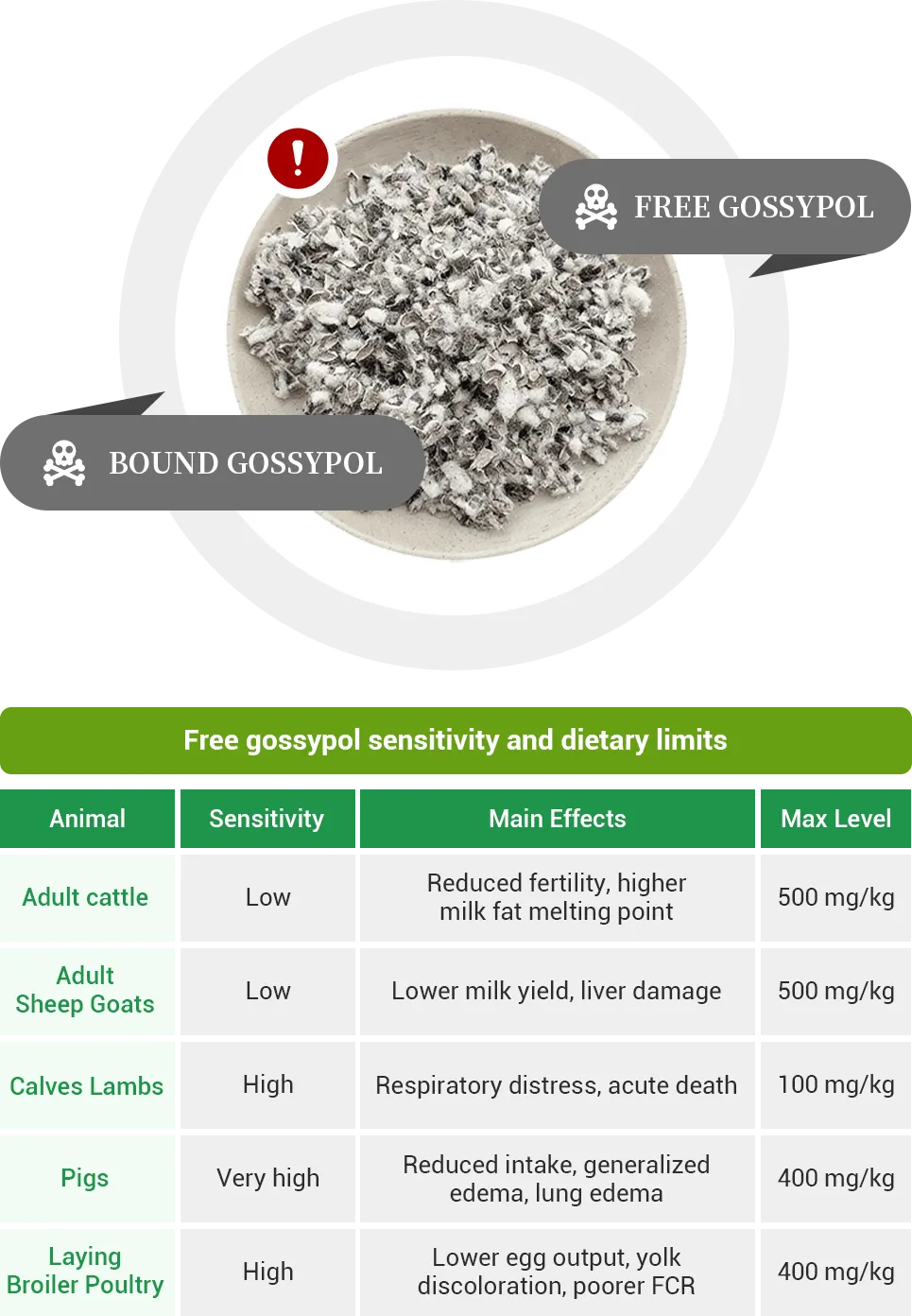
Sensitivity to gossypol varies greatly among animals. Ruminants tolerate free gossypol better due to rumen microbial detoxification.
These microbes convert free gossypol into less toxic forms, but excessive intake can still lead to acute toxicity or reduced performance.
Processing Methods for Cottonseed Hulls
To improve feed value and reduce potential risks, cottonseed hulls are typically processed before use in animal feeding.
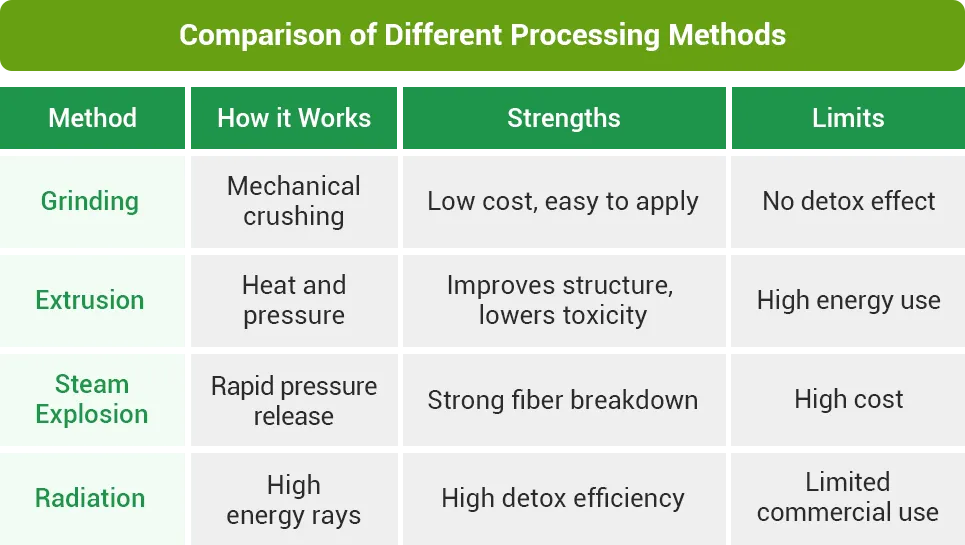
Mechanical grinding
Grinding is a basic step for improving the physical and chemical properties of cottonseed hulls, and particle size control is especially important for ruminants.
Over-fine grinding speeds up rumen passage, reduces fiber degradation, and may increase the risk of rumen acidosis. Particles that are too coarse, however, limit microbial attachment and utilization.
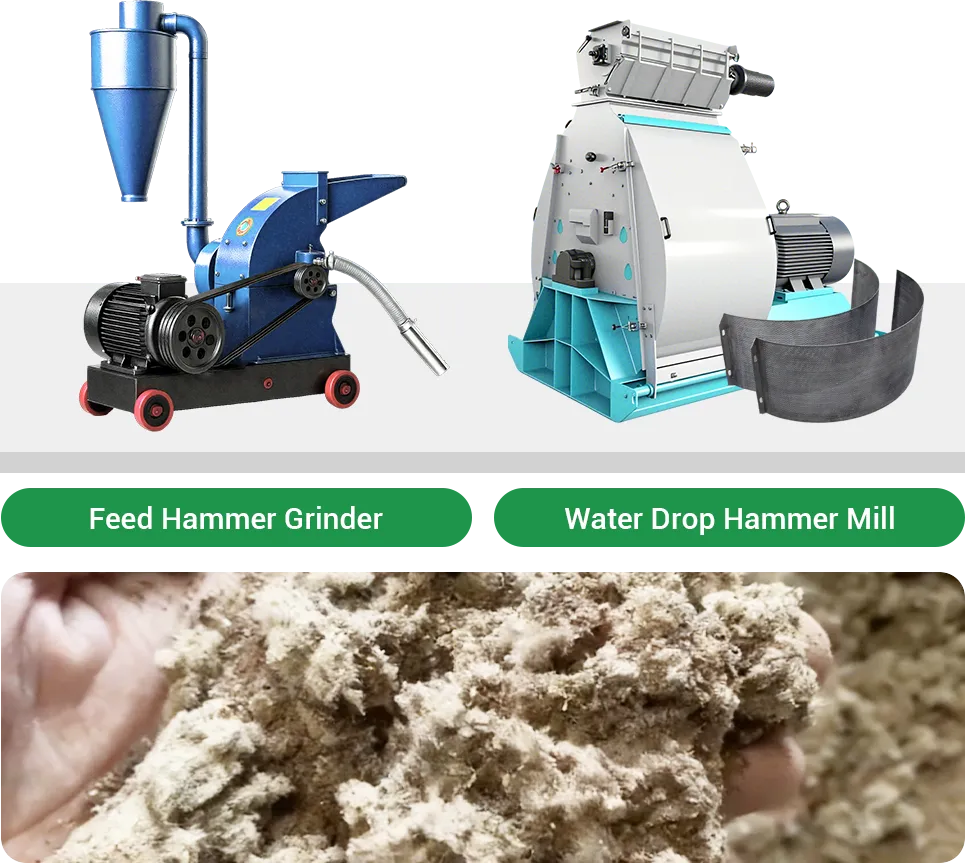
In practice, a 1.0–1.5 mm screen is commonly used to increase surface area while retaining sufficient physically effective fiber, achieving a balanced result.
High temperature extrusion
Extrusion is widely used in processing cottonseed byproducts. Under high temperature and pressure of about 120–140 C with strong shear forces, the fiber structure of cottonseed hulls is disrupted and lignin cellulose complexes are partially broken down.
Heat treatment also promotes the binding of free gossypol with amino acids such as lysine, forming less toxic bound gossypol. Studies report detoxification rates of approximately 68–88 percent.
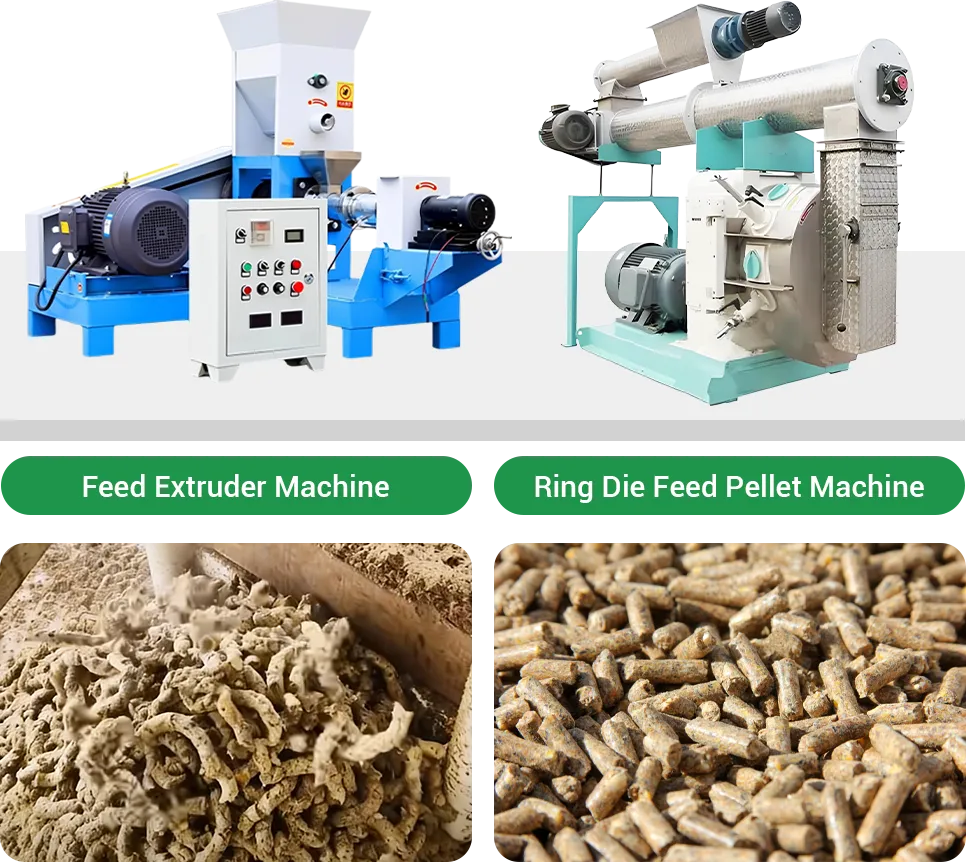
In addition, extrusion increases bulk density, improves palatability, and reduces harmful pathogens.
Steam explosion and radiation
Steam explosion uses high pressure saturated steam to penetrate cottonseed hull fibers. Rapid pressure release causes fiber disruption and cellulose separation, with high detoxification efficiency (up to 87%).
Radiation treatment is another advanced approach that uses gamma rays to break lignin molecular chains. Although effective, high equipment costs limit its use mainly to laboratory research.
Comparison of Different Processing Methods
Use of Cottonseed Hulls in Ruminant Diets
In ruminant diets, cottonseed hulls mainly serve a structural and filling role. Their relatively long fiber length helps stimulate rumen motility and supports normal rumination activity.
Use in Dairy Cow Feeding
In high producing dairy cow diets, cottonseed hulls are often used to help stabilize milk fat.
When concentrate levels are high, rumen pH can drop and acetate production is reduced, which limits milk fat synthesis. Including about 3–8% cottonseed hulls provides stable peNDF, helping maintain a balanced rumen environment.
Use in Beef Cattle and Sheep Fattening
In beef cattle and sheep fattening, fermented cottonseed hulls are often used as a low-cost roughage carrier.
During the finishing stage, their strong filling effect helps increase effective rumen capacity. When combined with high energy concentrates, this supports more stable weight gain.
| Ingredient | Dairy Cows | Beef Cattle | Fattening Sheep |
| Corn / Concentrate Mix | 45.0 % | 50.0 % | 40.0 % |
| Alfalfa Hay | 20.0 % | 5.0 % | 10.0 % |
| Corn Silage | 25.0 % | 25.0 % | 20.0 % |
| Cottonseed Hulls | 8.0 % | 18.0 % | 28.0 % |
| Mineral Vitamin Premix | 2.0 % | 2.0 % | 2.0 % |
Restrictions and Limitations
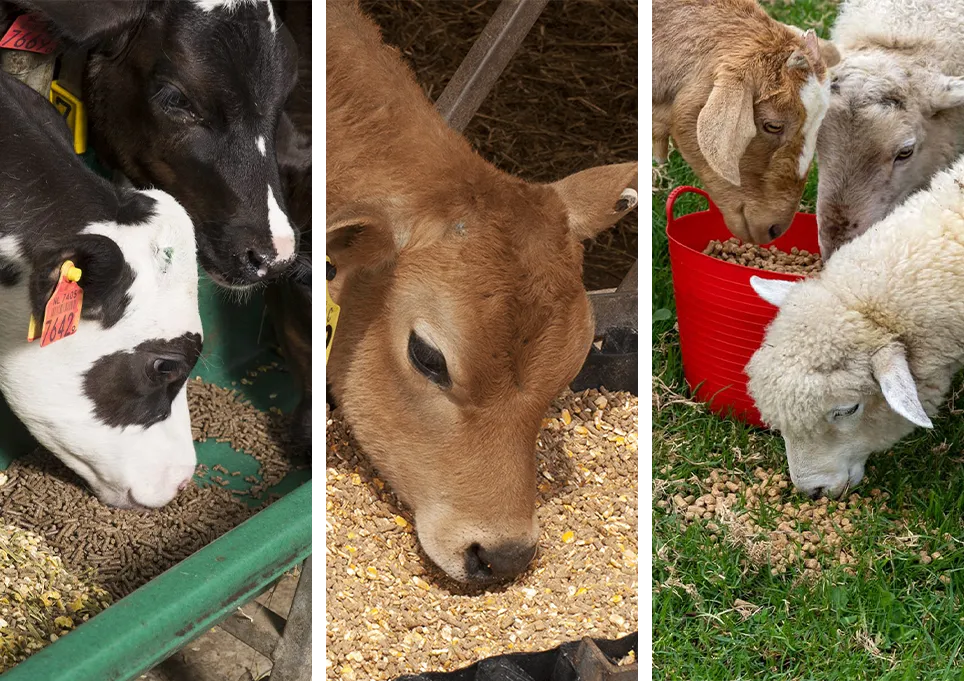
- Young calves and lambs have limited ability to detoxify gossypol.
- Do not use undetoxified cottonseed hulls or meal in starter feeds.
- Improper use may lead to poisoning or acute death.
With proper processing, cottonseed hulls can be reliably used in ruminant diets, offering advantages in cost control and processing adaptability.
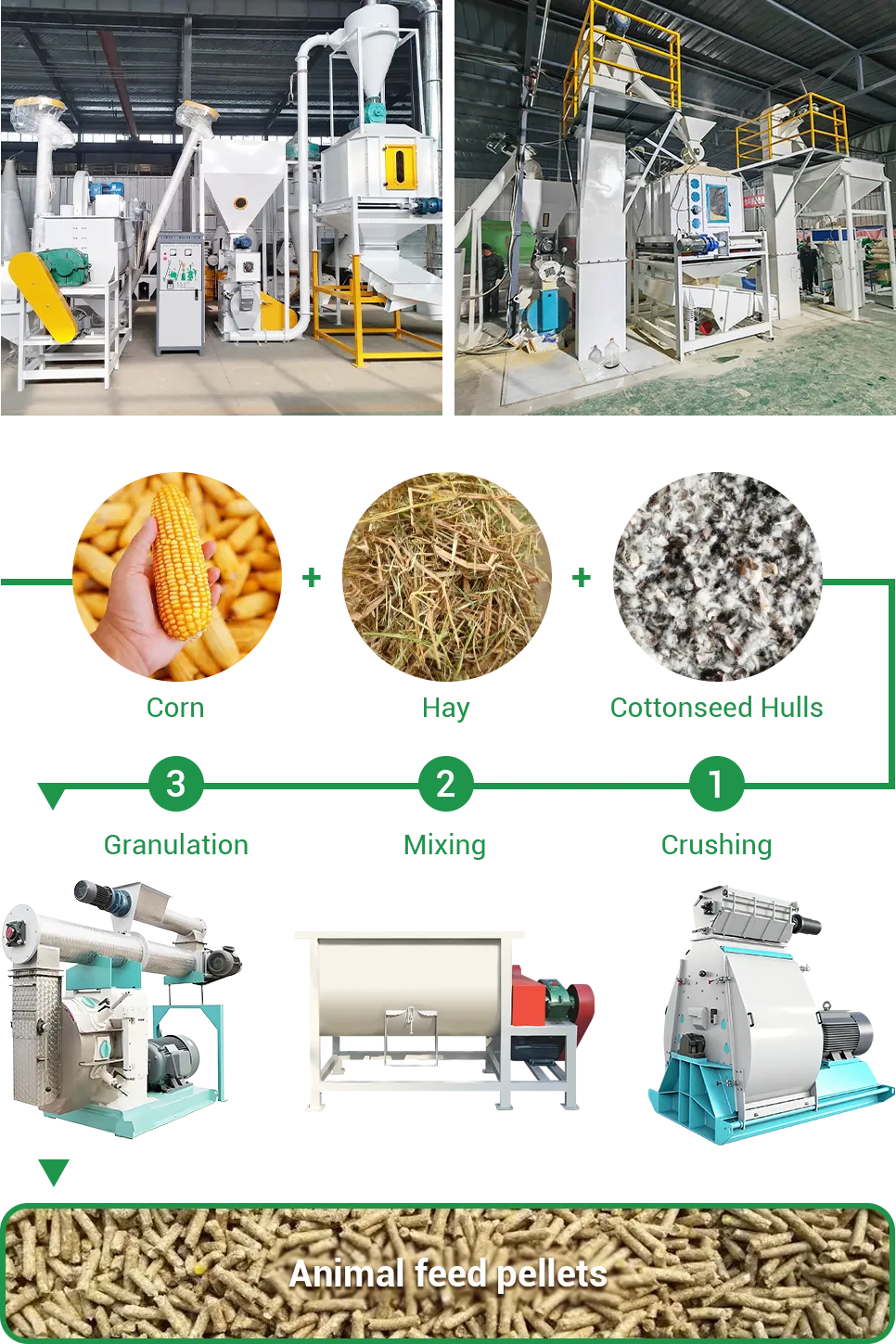
For cottonseed hull processing, we offer equipment for grinding and pelleting. Through pelleting, material form is improved, along with feed stability and practical utilization. If you need support with processing or equipment selection, feel free to contact us.

Need Some Help?
Contact us quickly and we will reply you within 24 hours. We will not disclose your information.