
 Online Contact
 Send Message
What Is the Ideal Chop Length for Forage
Roughage processing does not follow a single standard chop length. The target length should match the forage type, material condition, and feeding method, while staying consistent in production. The ranges below provide practical guidance for common processing needs.
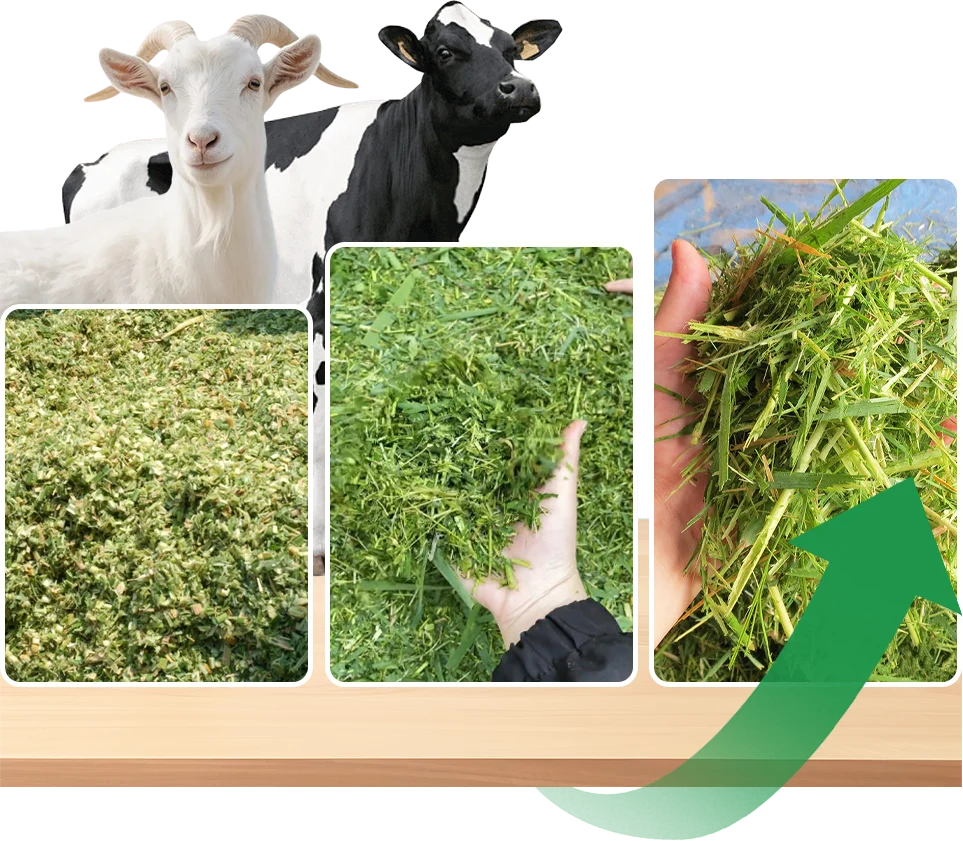
Is a longer forage cut always better?
In roughage processing, a common belief is that longer chop lengths improve rumination. This idea has some practical basis, but it does not apply in all situations.
Ruminants need enough physically effective fiber to stimulate chewing and saliva production. This helps stabilize rumen pH and improves fiber digestion. Research shows that when peNDF falls below a certain level, rumination time decreases and rumen balance becomes less stable.
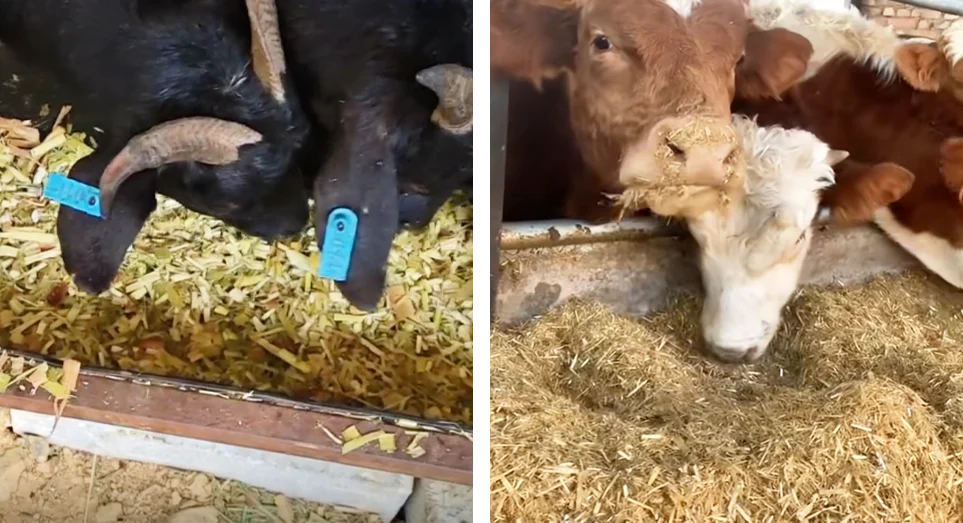
Longer fiber particles can extend rumination time and support better rumen function.
However, longer is always better is not a universal scientific conclusion. Both practical production experience and research data show that:
- Chop length directly influences dry matter intake, chewing activity, and rumen health.
- Too short a cut reduces chewing and saliva flow, weakens rumen buffering, and increases the risk of subacute rumen acidosis, while lowering fiber use and milk fat performance.
- Too long a cut promotes feed sorting, reduces intake, disrupts ration balance, and lowers digestion efficiency and feeding consistency.
Actually, rumination is not solely determined by feed length, but results from the combined effects of the physical effective fiber content, diet structure, and the animal's size and eating habits.
Recommended Forages Chop Lengths
In forage processing, chop length should stay within a practical range to balance rumination needs and feed intake. The following guidelines provide recommended chop lengths for common forage types.
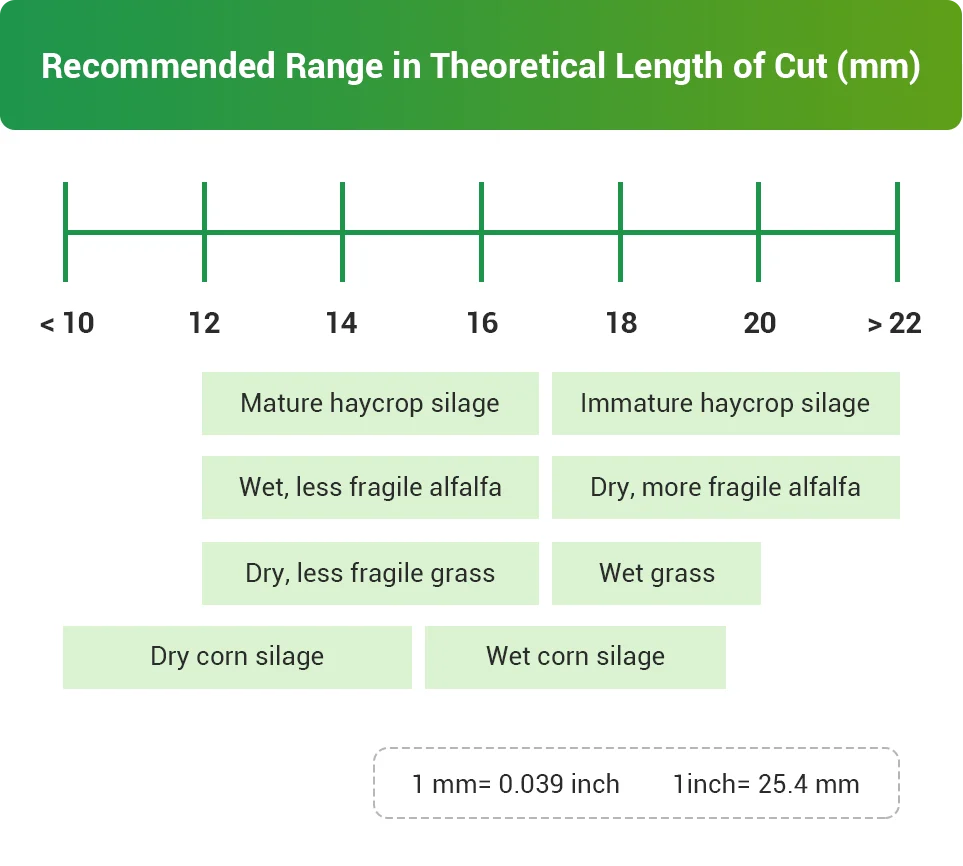
| Forage Type | Material Condition | Recommended Chop Length (mm) |
| Haycrop silage | Mature and relatively dry | 12 to 16 |
| Immature and wetter | 18 to 22 | |
| Alfalfa | Moist and less brittle | 12 to 16 |
| Dry and brittle | 18 to 22 | |
| Grass forage | Dry and less brittle | 12 to 16 |
| Moist | 18 to 22 | |
| Corn silage | Dry | 10 to 14 (shorter range) |
| Moist | 16 to 22 |
These values are reference ranges supported by field practice and research, not fixed standards. In actual use, adjustments should be made based on material moisture, animal size, and feeding method to maintain stable feeding performance.
Chop length should also account for the animal's ability to ingest fiber, chewing behavior, and the digestion process that follows.
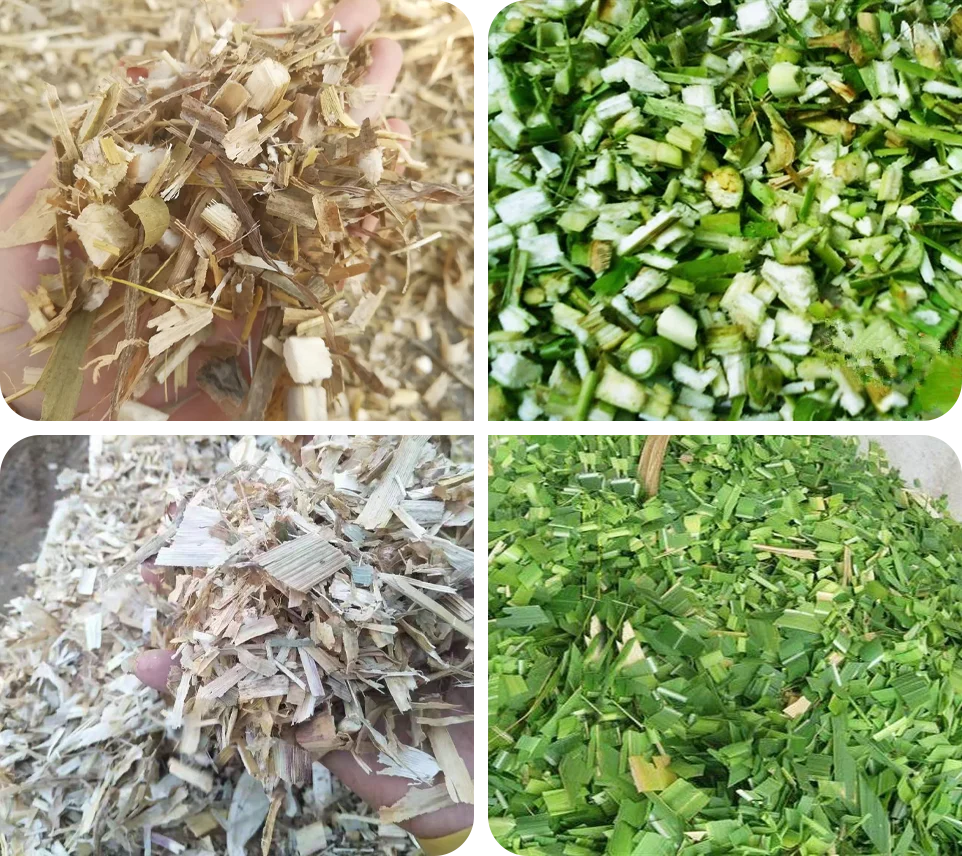
How to tell if chop length is appropriate
If animals frequently sort the feed or pause while swallowing, and large amounts of forage remain along the feed bunk edges, the chop length is likely too long.
If forage is difficult to compact and the feed layer stays loose, this also suggests an excessive chop length. On the other hand, visible seepage and structural collapse may indicate that the forage is cut too short or that moisture content is too high.
Practical tips
High moisture forage (dry matter below 25%)
When forage is wet, avoid cutting it too short. A slightly longer chop within the recommended range helps preserve fiber structure, reduces seepage losses during packing, and improves silage fermentation stability.
Drier forage (dry matter above 30%)
When forage is dry, avoid cutting it too long. Shifting toward the shorter end of the recommended range improves compaction, reduces trapped air, and lowers the risk of heating and mold during storage.
How to control forage chop length
During feed preparation, raw materials, moisture levels, and harvest stages often change. Relying only on manual judgment makes it difficult to maintain consistent chop length over time. This is why most farms use dedicated chaff cutters to process roughage and achieve stable results.
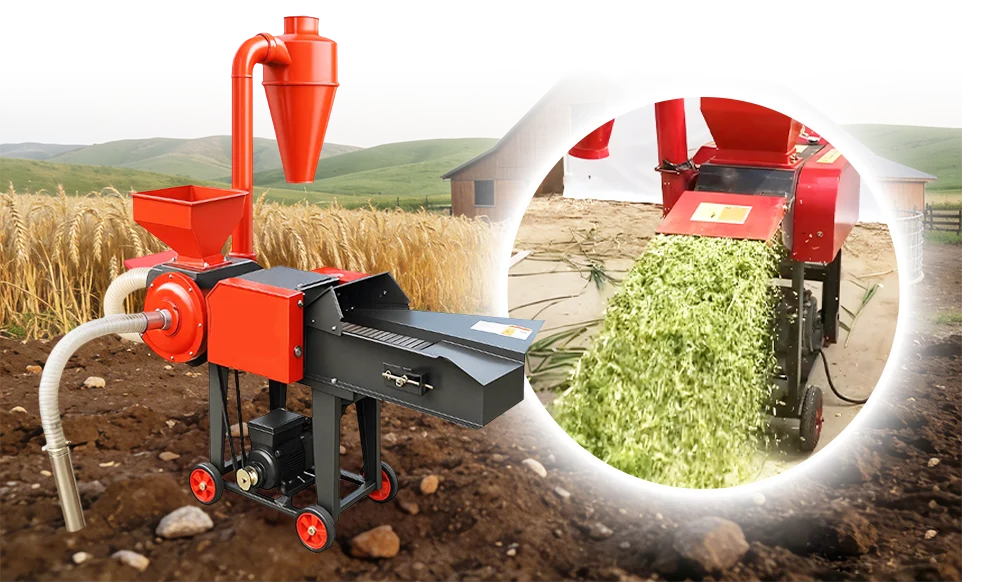
Role of a Chaff Cutter in Forage Processing
- Provides stable control of chop length
- Improves consistency across batches
- Handles a wide range of forage materials
- Increases processing efficiency and reduces reliance on manual labor
In practical use, chop length can be set through the adjustment handle and fine tuned for different forage materials. For detailed operating steps, installation guidance, and routine maintenance, please refer to below blog.
Multifunction Chaff Cutter Operation Manual and Instructions
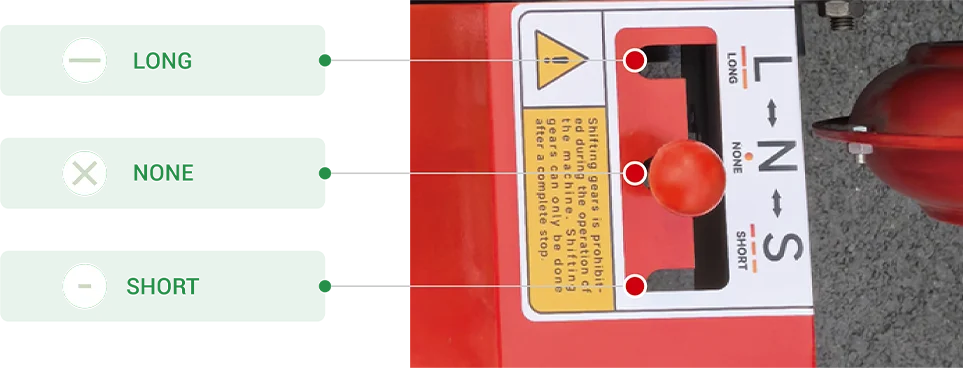
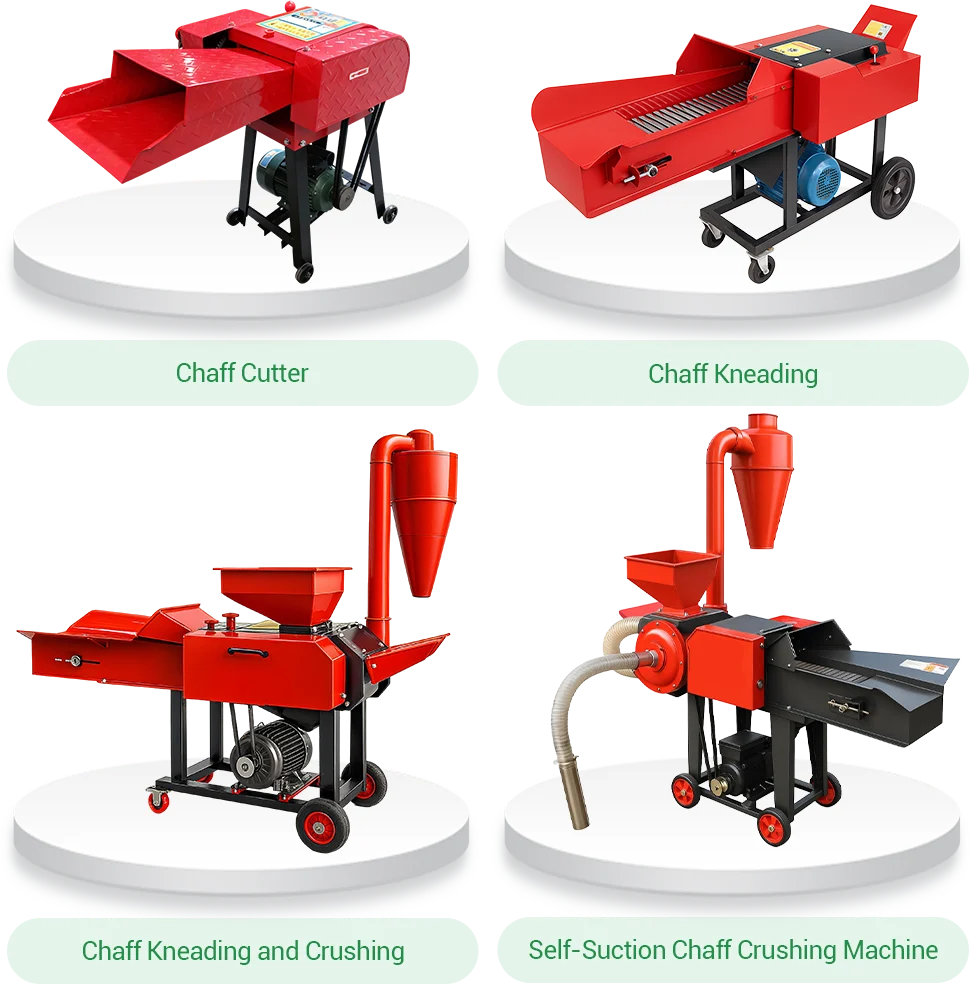
We offer a range of high efficiency chaff cutters for different capacities. In addition to stable forage cutting, optional chopping and crushing functions can be added to suit various farm sizes and processing needs.
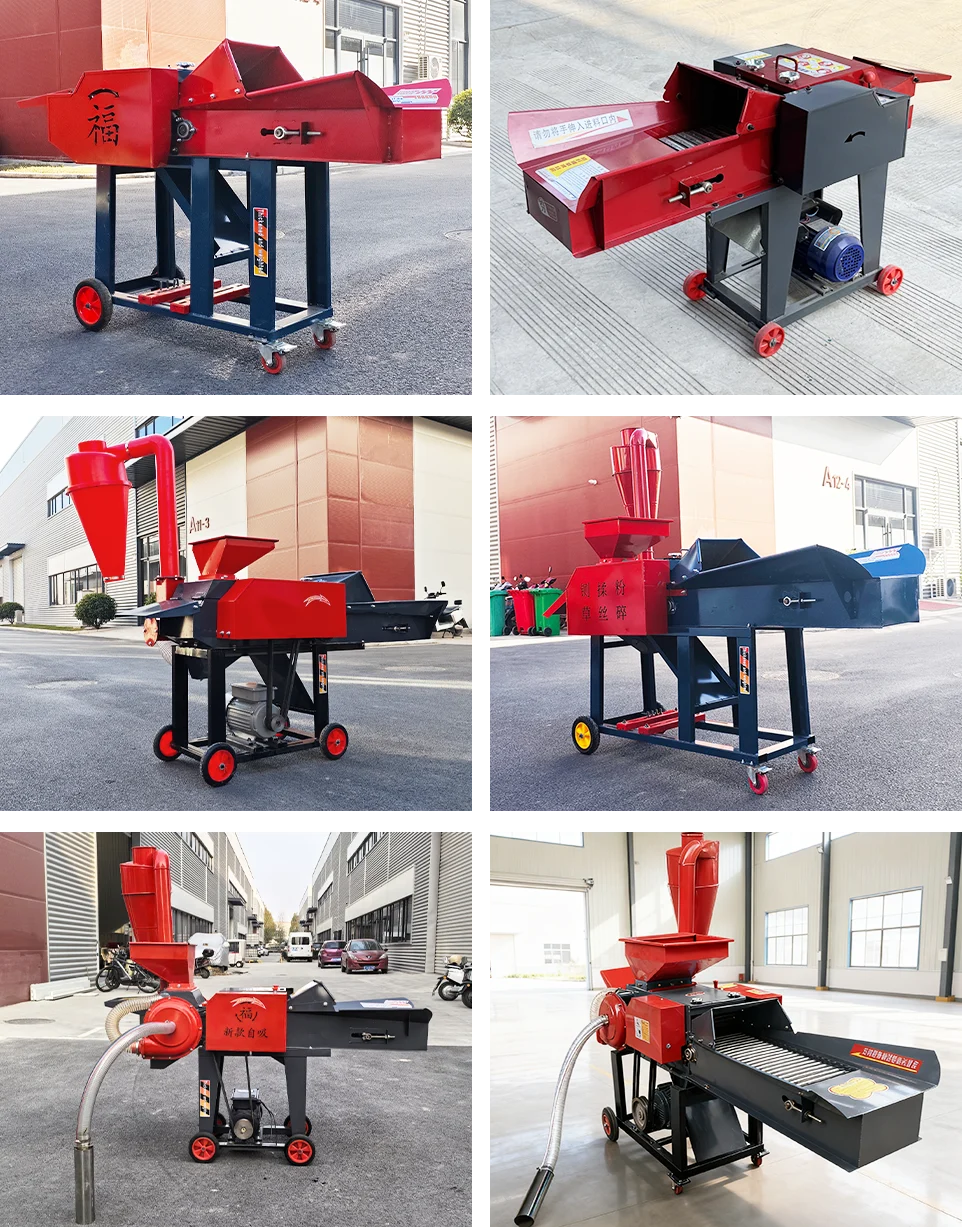
If you would like to optimize chop length based on your materials, output targets, or operating conditions, feel free to contact us for tailored equipment configurations and application advice.
Need Some Help?
Contact us quickly and we will reply you within 24 hours. We will not disclose your information.