
 Online Contact
 Send Message
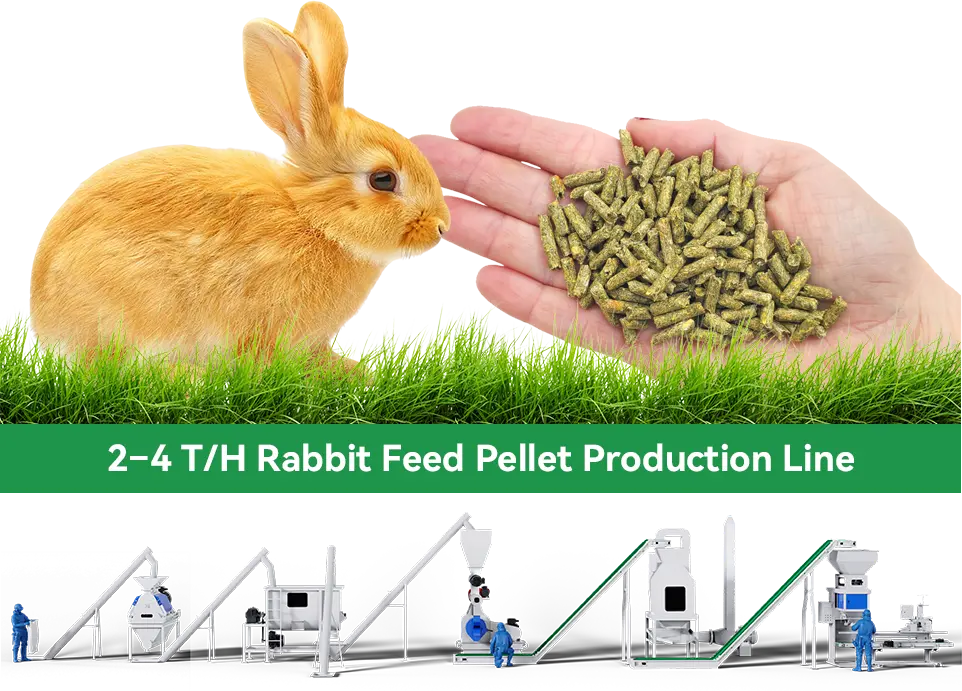
2–4 T/H Rabbit Feed Pellet Production Line
For medium to large farms and feed processors, feed quality and cost directly impact animal performance. As commercial feed prices fluctuate, more producers are turning to in house feed production for greater control and stability. Below is a reference setup for a 2 to 4 T/H feed pellet production line.
|
Floor Area |
Staff |
Farm Size |
Power |
Guide Price |
|
200–500 m2 |
2–4 |
5,000–20,000 birds |
80–150 kW |
USD 6,000–120,000 |
This production line is designed for medium to large farms and feed mills seeking stable in-house pellet feed production.
It supports current output requirements and allows capacity upgrades as production grows.
Rabbit Feed Pellet Characteristics
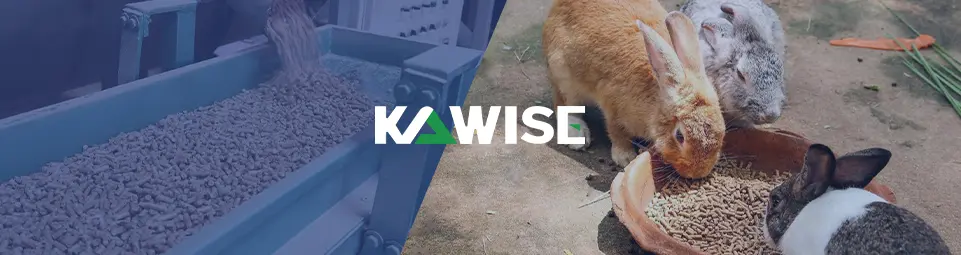
Rabbit feed pellets use high fiber materials such as grass meal and alfalfa. Their low density makes compression more demanding, with fiber and moisture directly affecting pellet quality and fines.
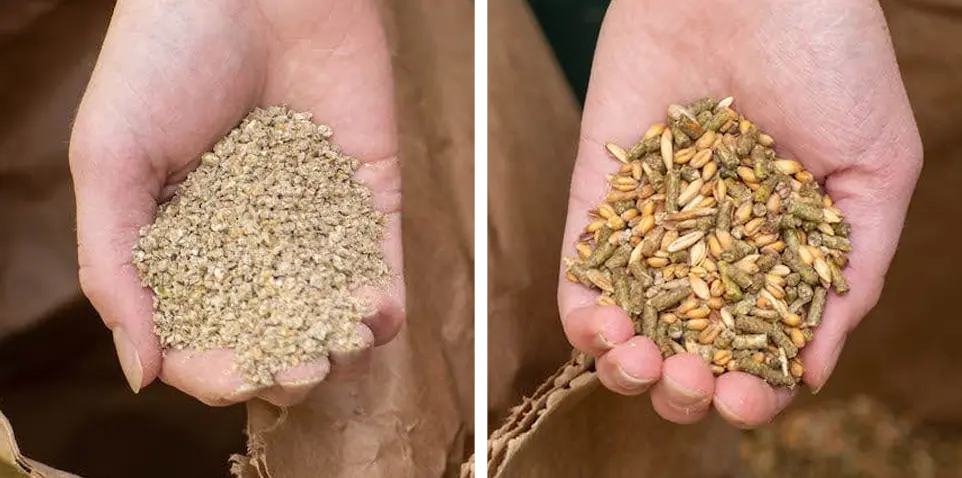
Pellet hardness and length affect tooth wear and digestion, so pellet size can be adjusted or crumbled to suit different growth stages.
Rabbit Feed Pellet Process
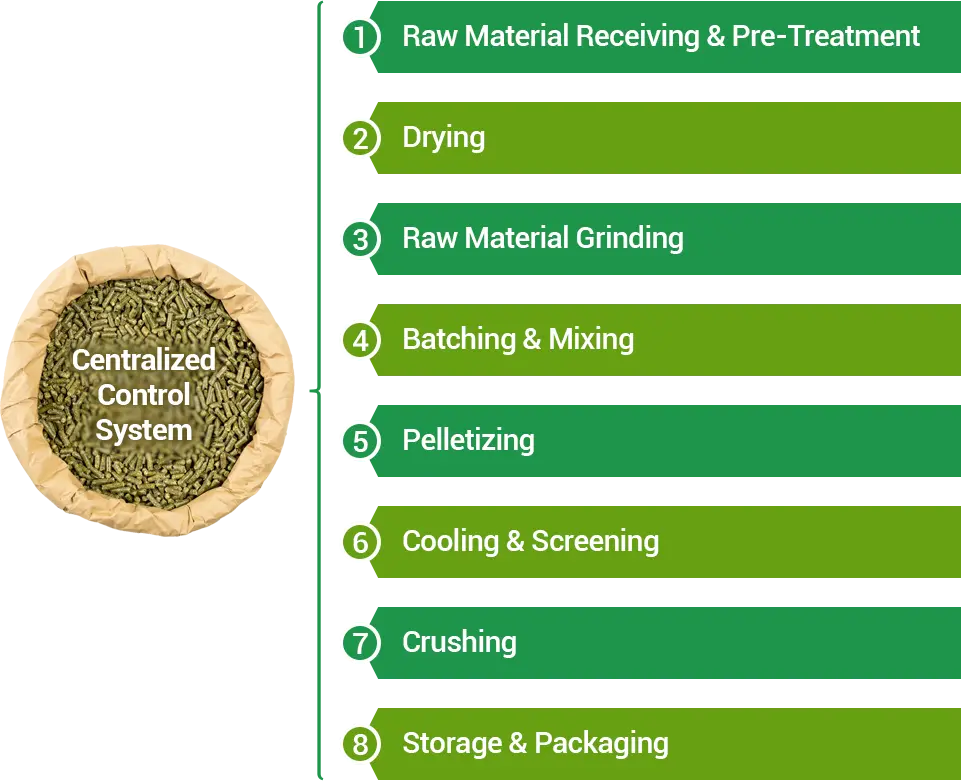
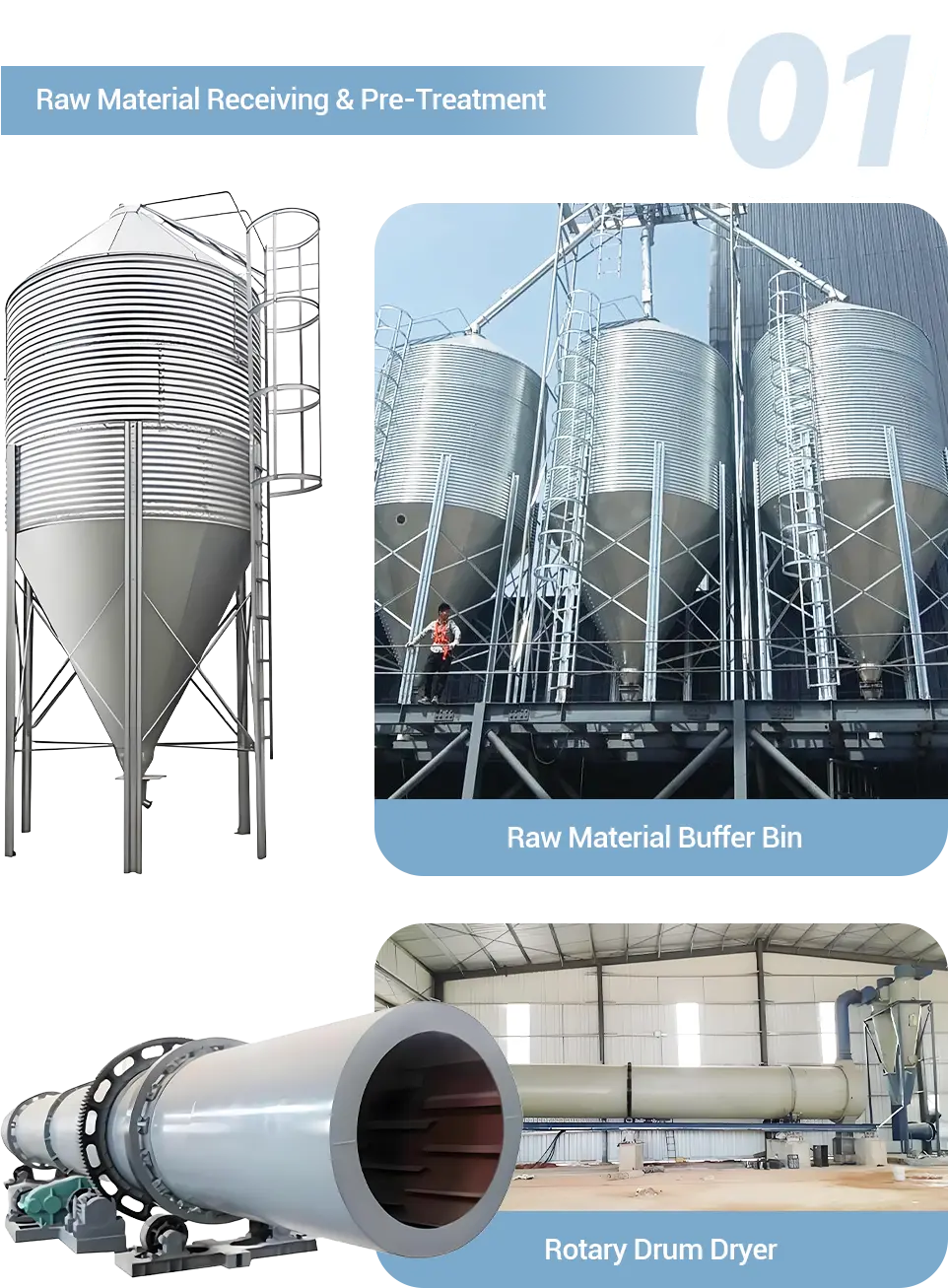
1.Raw Material Preparation
Raw materials are buffered before processing to ensure stable feeding.
Basic screening and moisture control help protect equipment and keep the line running smoothly.
Drying can be added when needed, or grass meal can be used directly to simplify the front end.
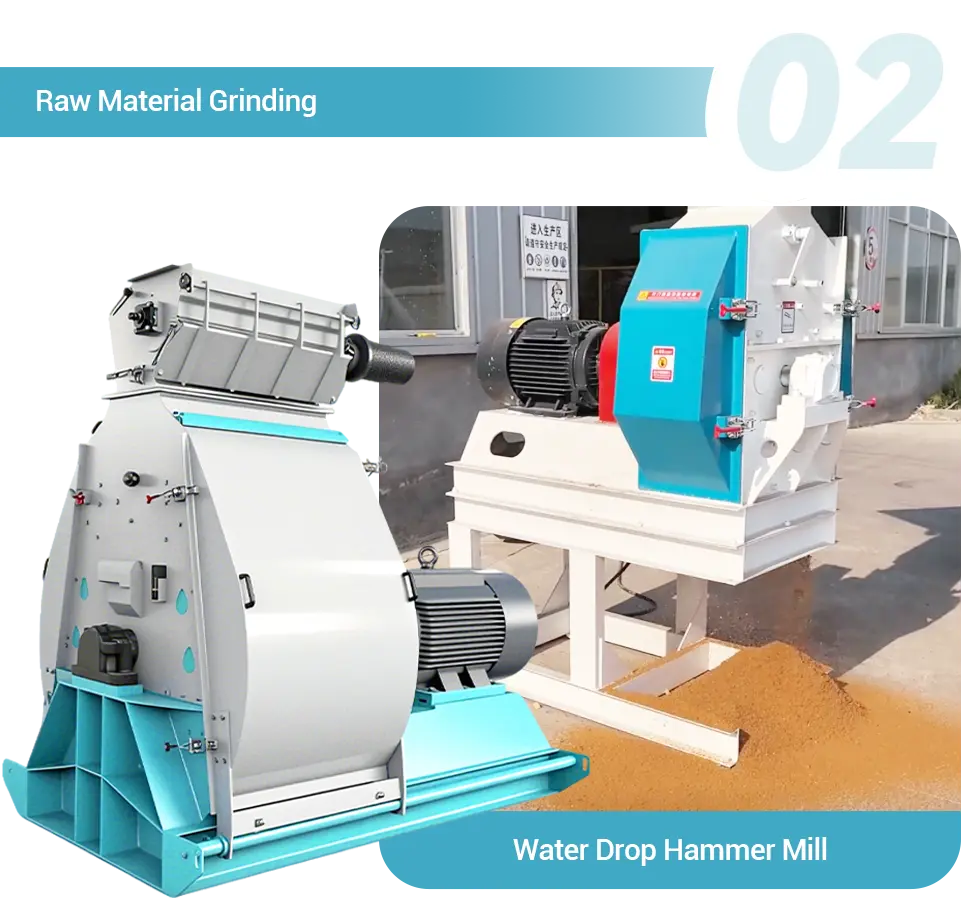
2.Grinding
Raw material grinding covers both forage materials and grains.
Fiber rich grass materials are processed to reduce bulkiness, while grains are ground to ensure uniform particle size and smooth mixing prior to pelleting.
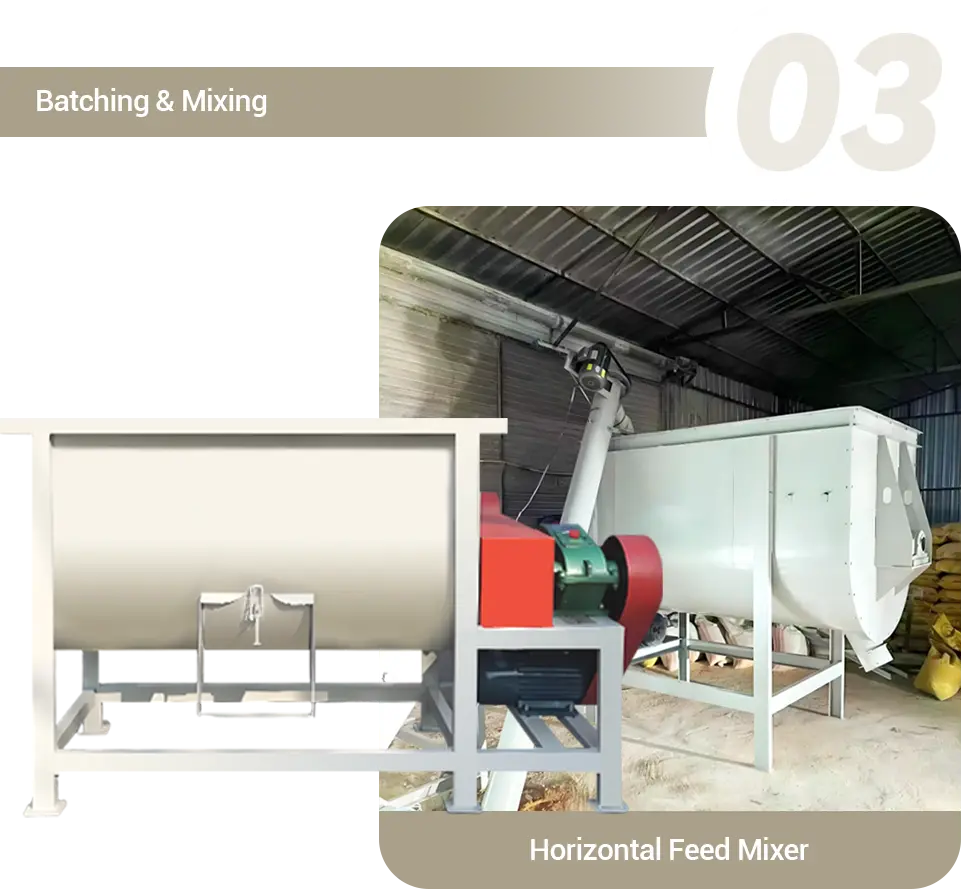
3.Batching and Mixing
Materials are proportioned according to the formula and evenly mixed.
Consistent mixing is important for stable pelleting and uniform pellet quality.
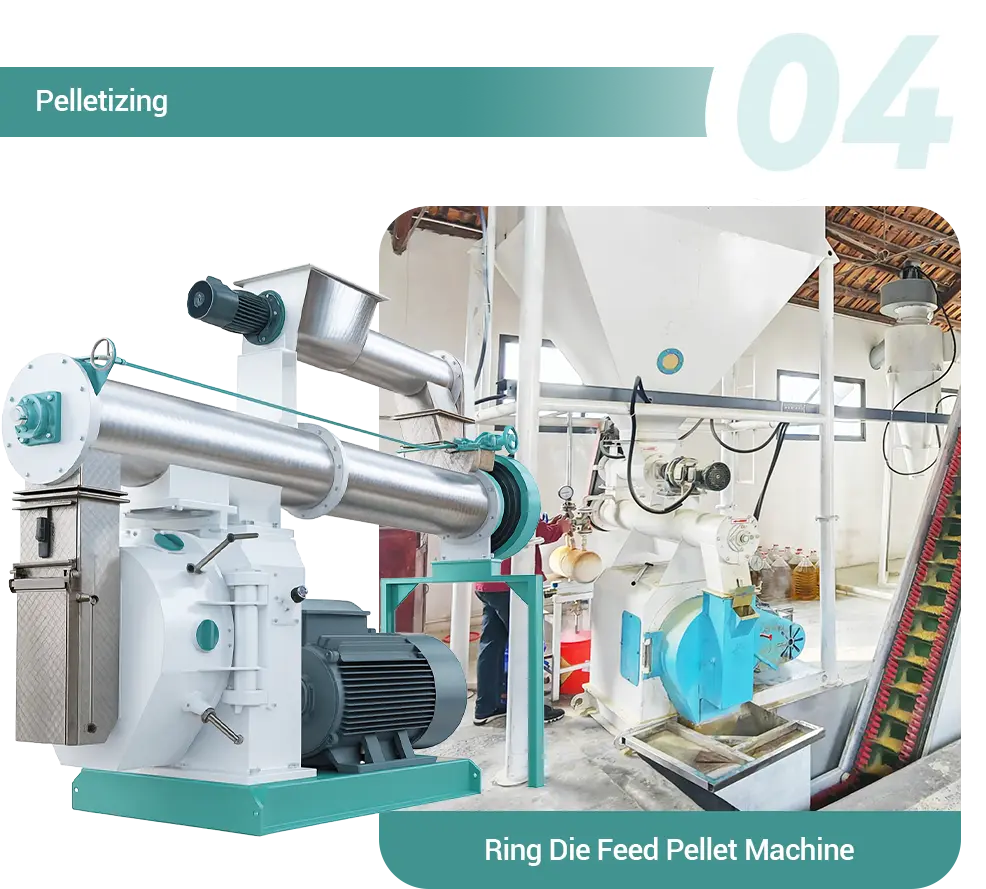
4.Pelleting
The mixed feed is pressed into pellets under continuous operation.
Ring die pellet mills are commonly used for rabbit feed due to their stability with high fiber materials.
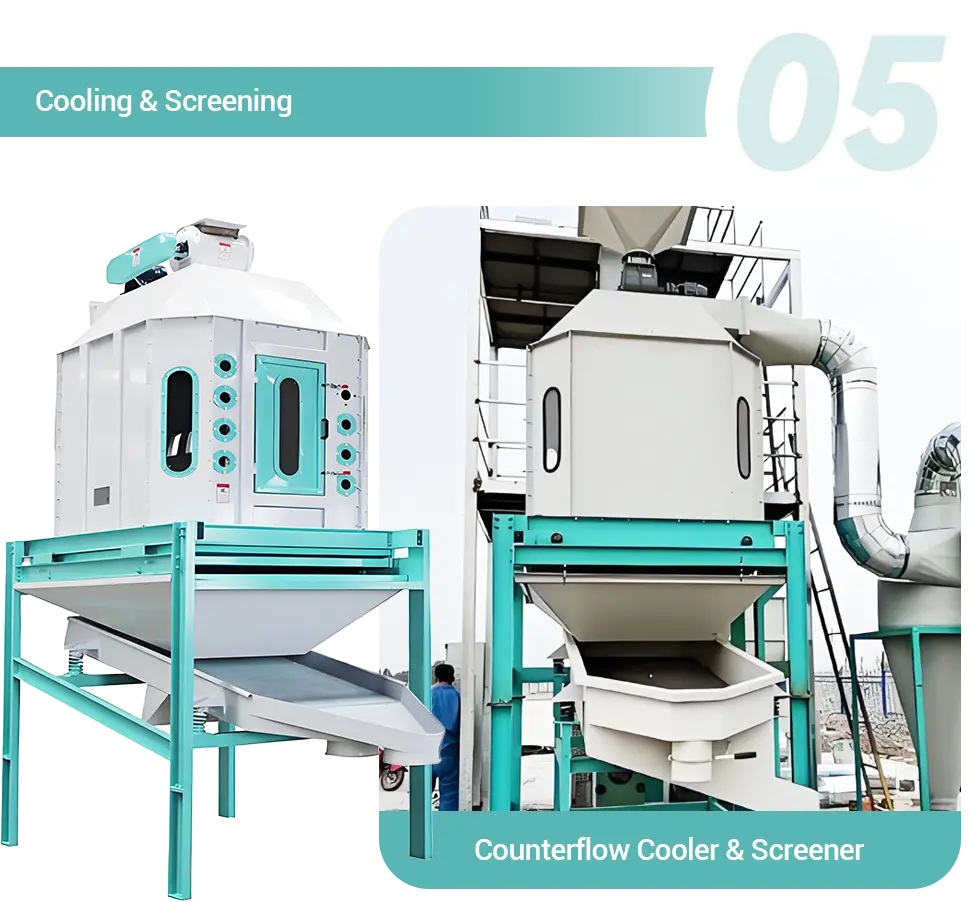
5.Cooling and Screening
Pellets are cooled to stabilize structure and reduce breakage and fines during handling and storage.
6.Crumbling (Optional)
For young rabbits or specific feeding needs, pellet size can be adjusted or crumbled after pelleting.
.webp)
7.Storage or Packaging
Finished pellets are stored or packed to prevent moisture uptake and secondary damage.
.webp)
8.Line Control
A centralized control system coordinates each section of the line, ensuring smooth operation and consistent output.
.webp)
Equipment Configuration Reference
Based on the production process, the following are common equipment configuration options for reference.
|
Equipment |
Function |
|
Stabilizes material feeding |
|
|
Dryer |
Reduces moisture content |
|
Processes grass into uniform meal |
|
|
Hammer / Tear Drop Mill |
Controls grain particle size |
|
Batching System |
Measures materials by formula |
|
Ensures uniform mixing |
|
|
Forms pellets from mixed feed |
|
|
Cools pellets and removes fines |
|
|
Crumbler (Optional) |
Reduces pellet size |
|
Finished Bin / Packing Unit |
Stores or packs finished pellets |
Commonly Processed Materials
.webp)
Key Project Considerations
Before confirming the production line solution, the following key factors should be reviewed:
- Alignment between current scale and planned output
- Stability of raw material supply
- Potential for future capacity expansion
- Equipment investment and long-term operating costs
Different farming scales, raw material structures, and development plans lead to different requirements for equipment configuration and process design, which directly affect the final production line setup.
.webp)
We provide flexible equipment solutions for different production scales.
For rabbit feed pellet line planning or equipment selection support, leave a message and we will advise based on your needs.
Tell us what animals you raise, your target output, and your budget range. We will recommend the right equipment setup and provide a rough investment estimate.
Need Some Help?
Contact us quickly and we will reply you within 24 hours. We will not disclose your information.